Modular thinking: How Pop-up spaces are setting new standards
How can such temporary formats be conceived spatially and efficiently realized using modular systems?
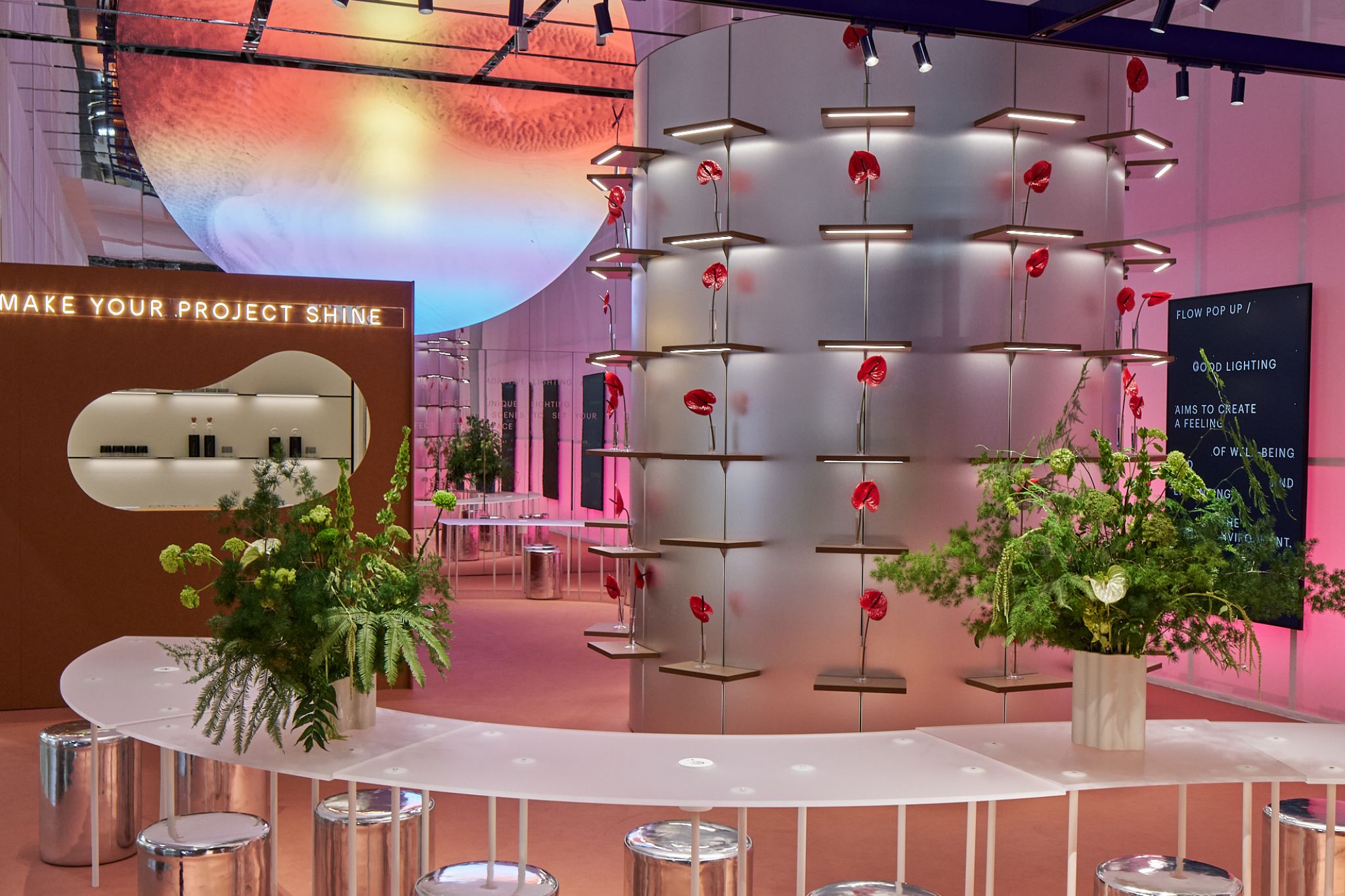
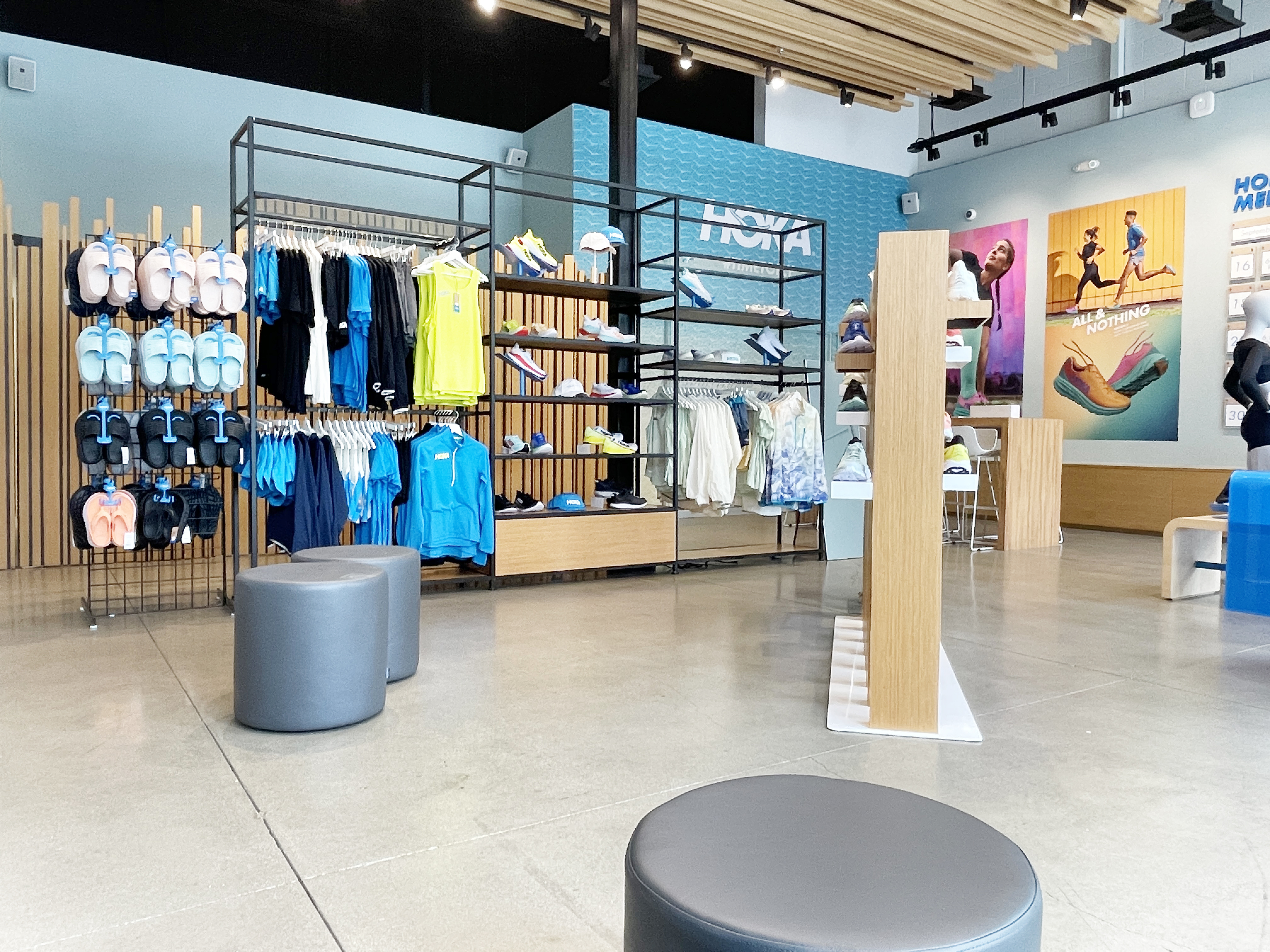
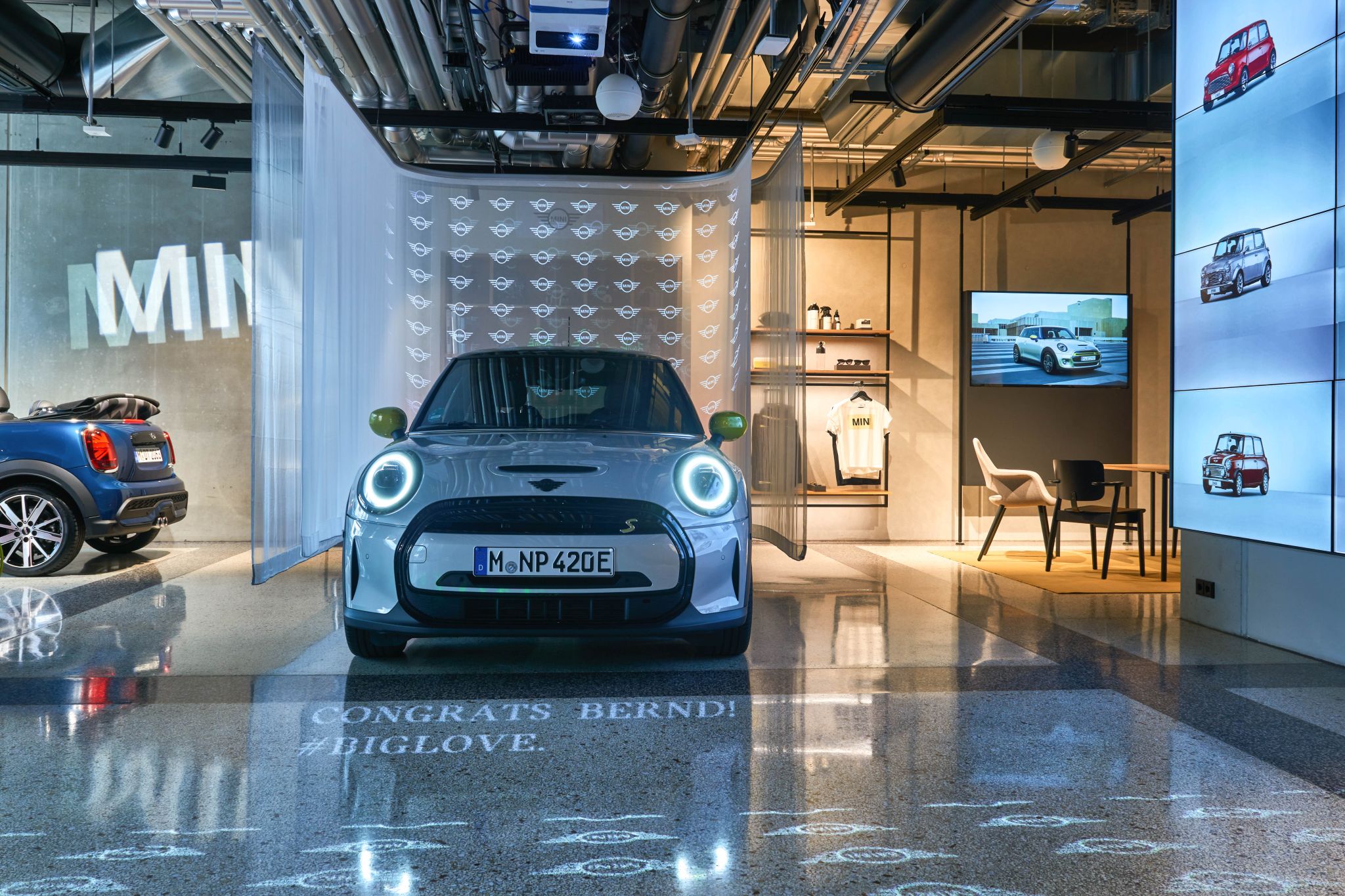
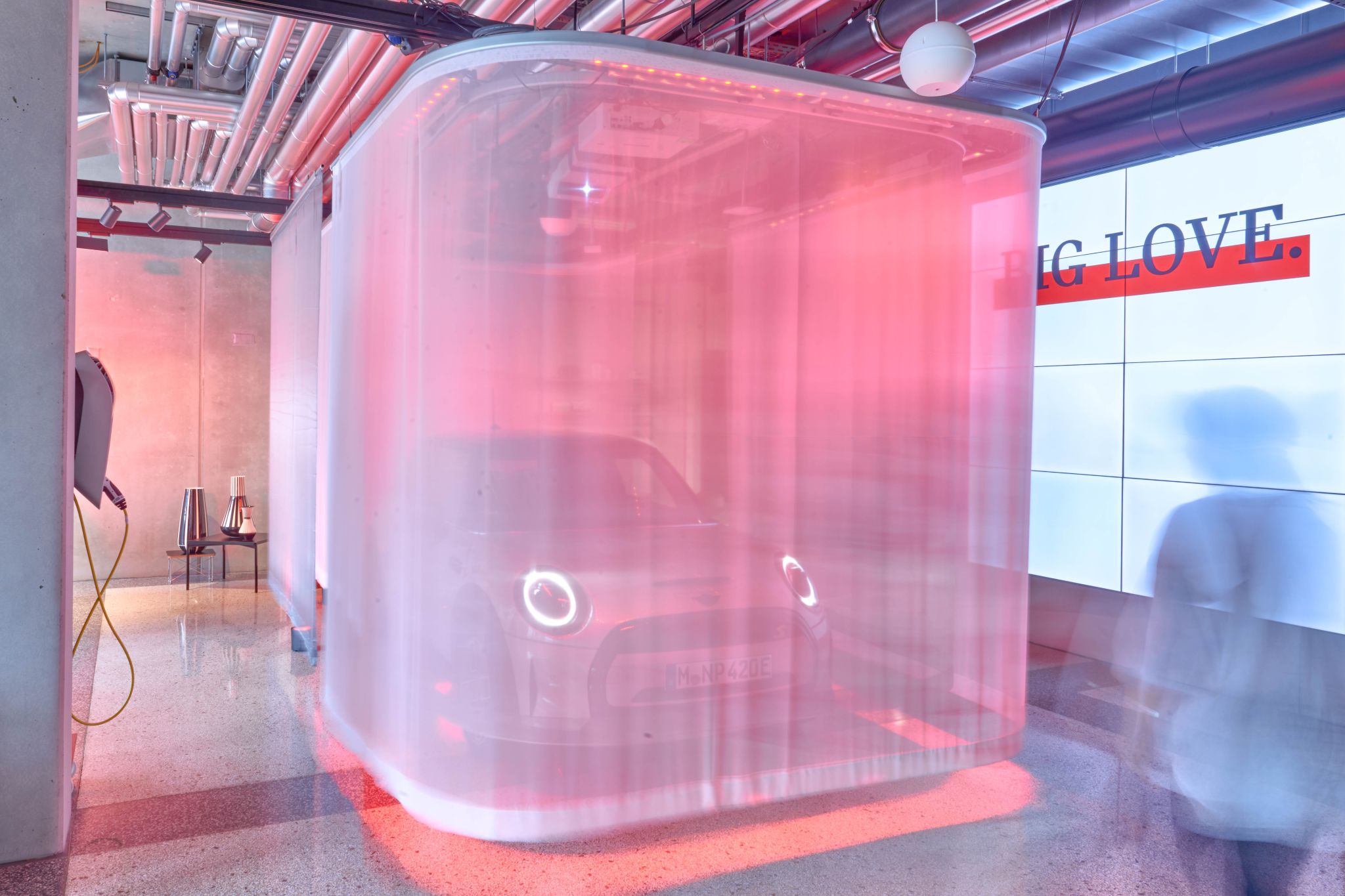
Both digital-first brands and established companies use pop-ups to test new formats or engage new target groups. Sports footwear brand HOKA relied on a flexible spatial structure for a temporary store in New York, enabling quick adaptation to changing requirements. MINI, meanwhile, used an approximately 100-square-meter area in the lobby of the Aletto Hotel in Berlin to emotionally stage the brand in space. In both cases, it became clear how crucial flexible structures and integrated infrastructure are for temporary concepts.
-
For the brand’s pop-up space, the Multi-Lane ceiling system was used.
-
Sustainability through reusability
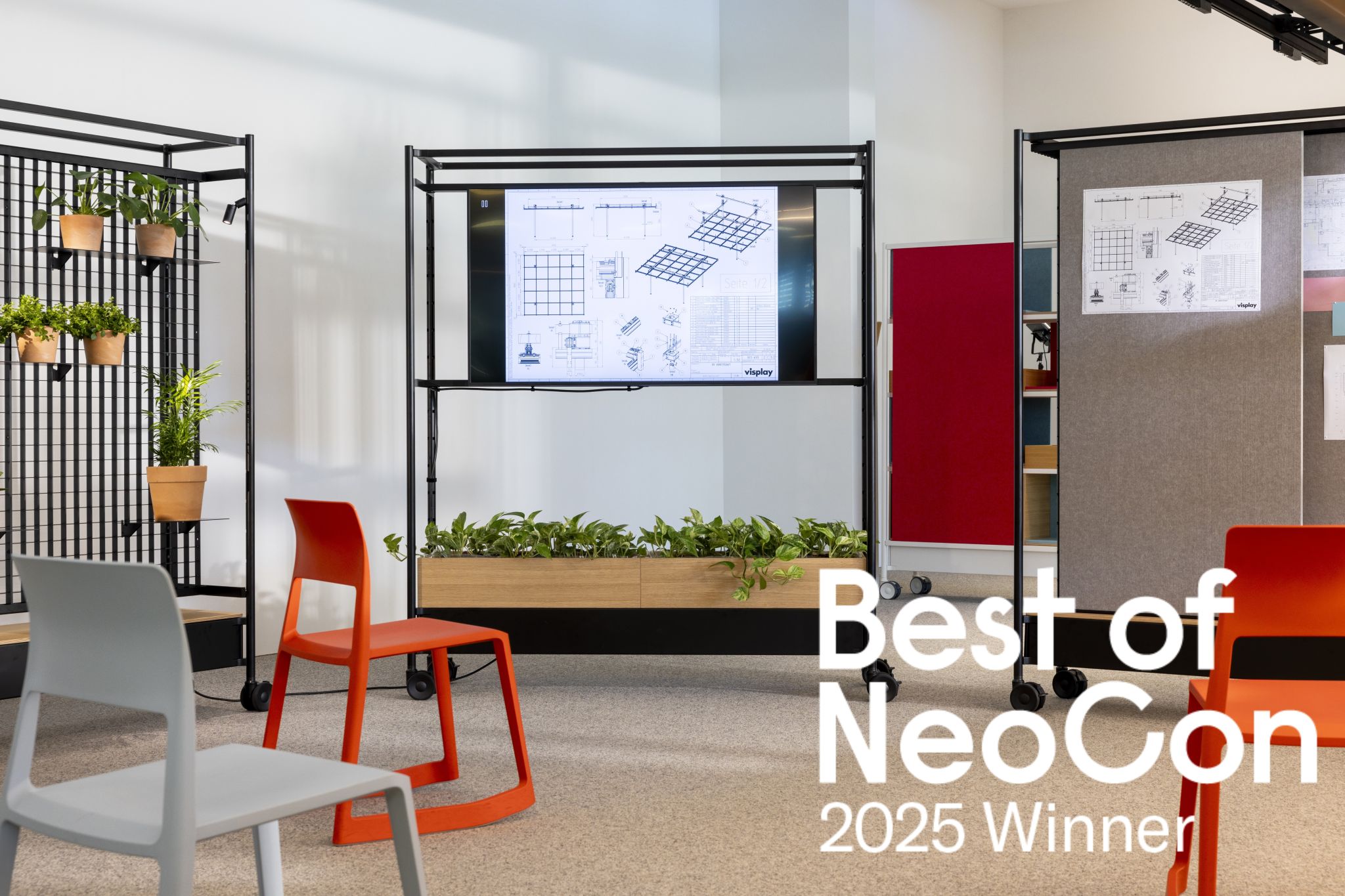
Temporary is often equated with disposability: structures are built, used once, and dismantled. More sustainable and cost-efficient are reusable solutions that can support a wide range of scenarios and formats.
Efficiency in set-up and dismantling
Short project durations demand streamlined processes. Set-up and dismantling must be fast and intuitive—ideally without the need for specialist tools. Transport and storage are equally important. Efficient systems reduce effort and costs, making temporary projects easier to plan and more economically viable.
A structural framework with integrated infrastructure
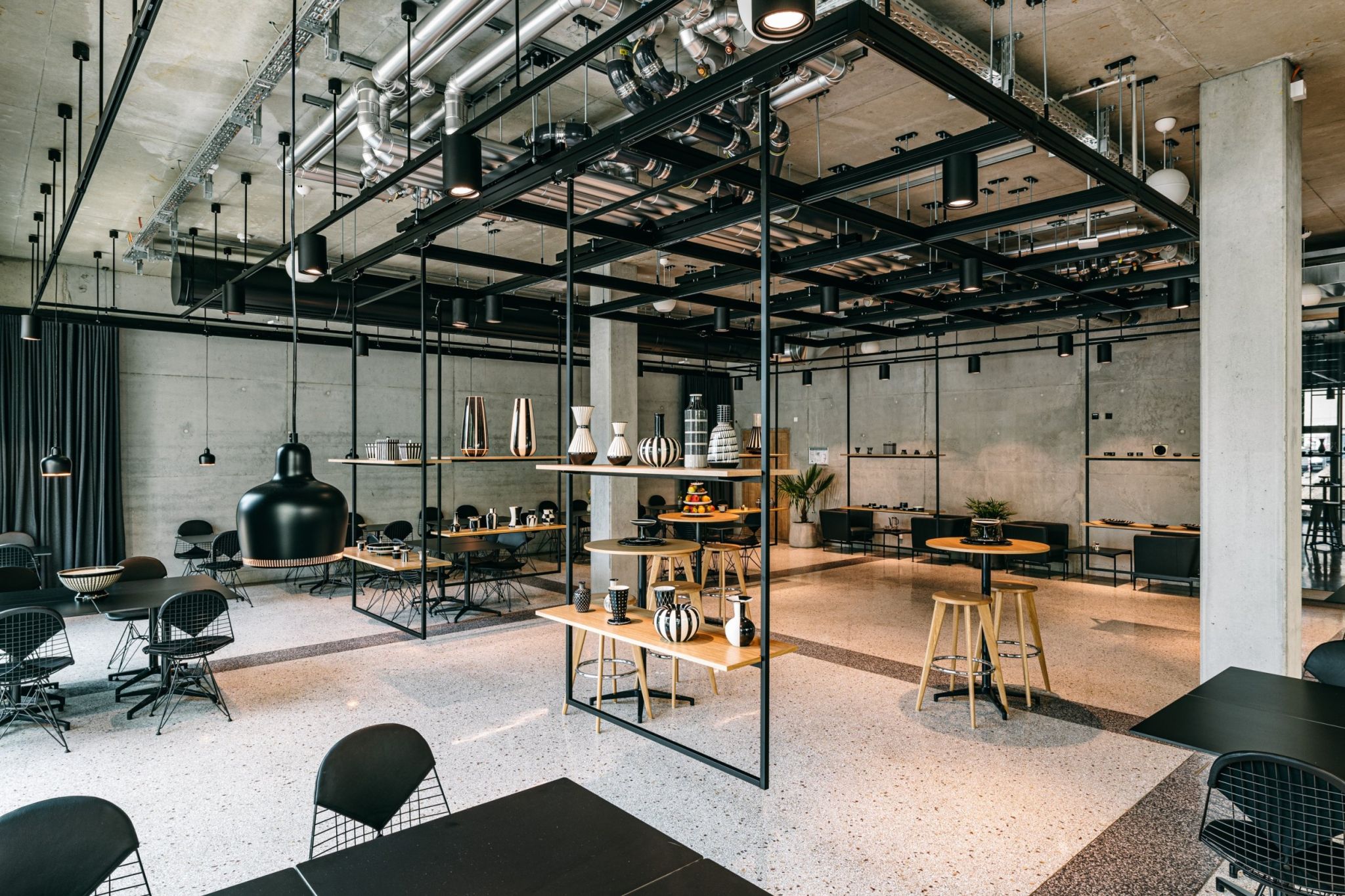
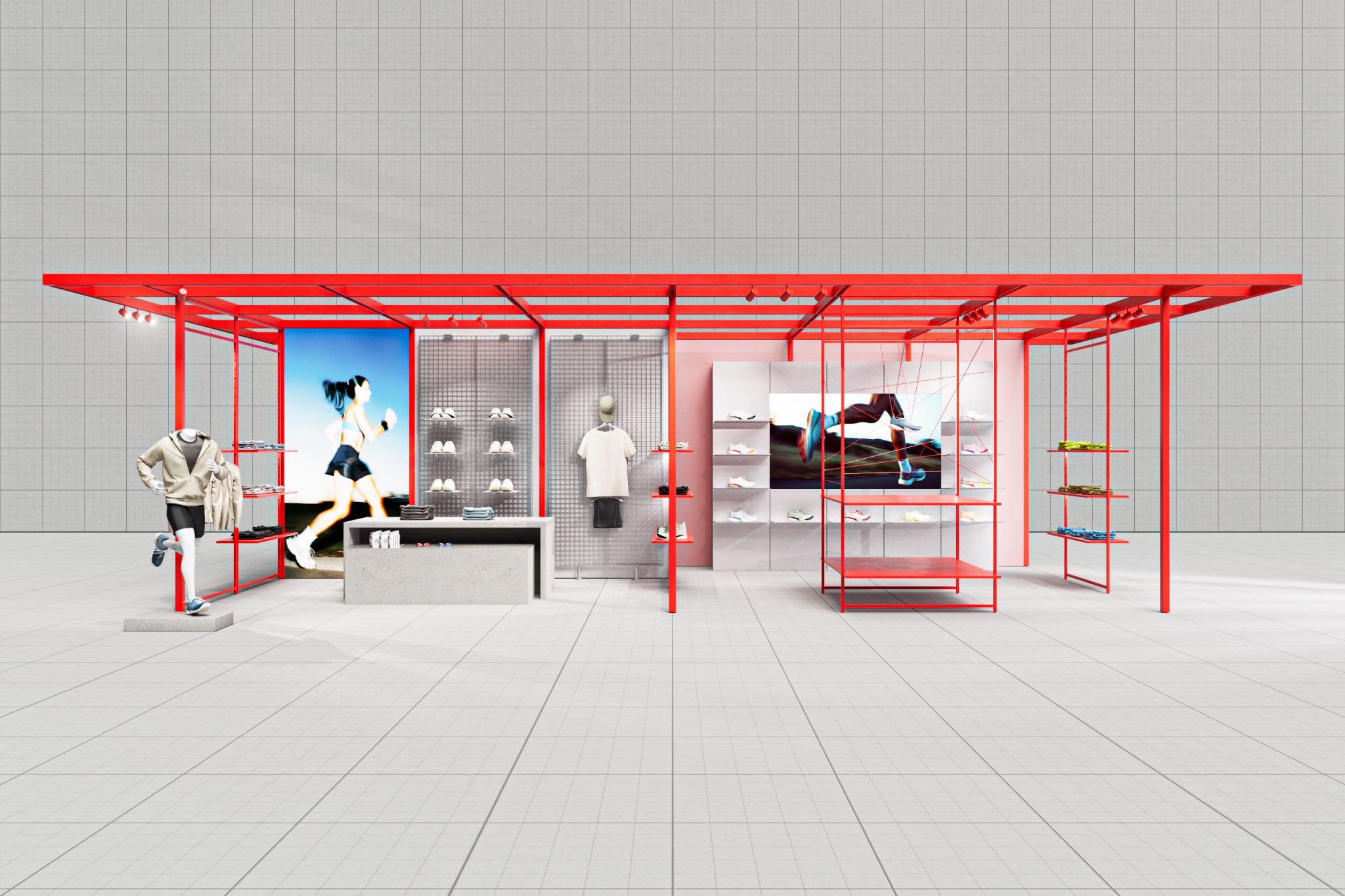
Large pop-up spaces require a defining framework that creates structure where none previously existed. In the showroom of the L&S Group, the Spatio structural system is used as a freestanding construction to establish a clearly defined zone for product presentation. At the same time, the space remains open to changing content and scenography. Using the same approach, a temporary retail area for textile manufacturer Vossen was realized at ECE’s Alster shopping center in Hamburg.
-
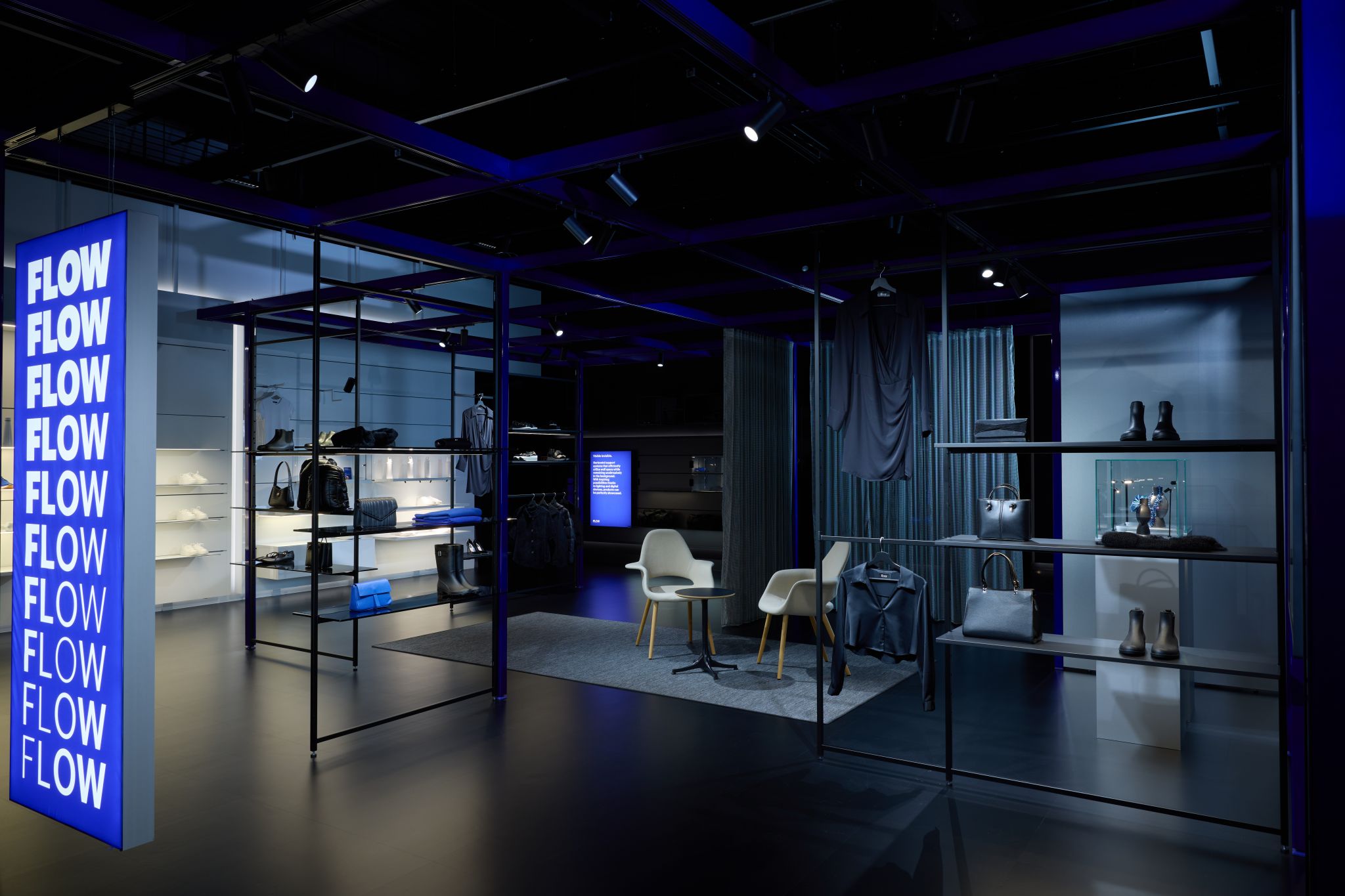
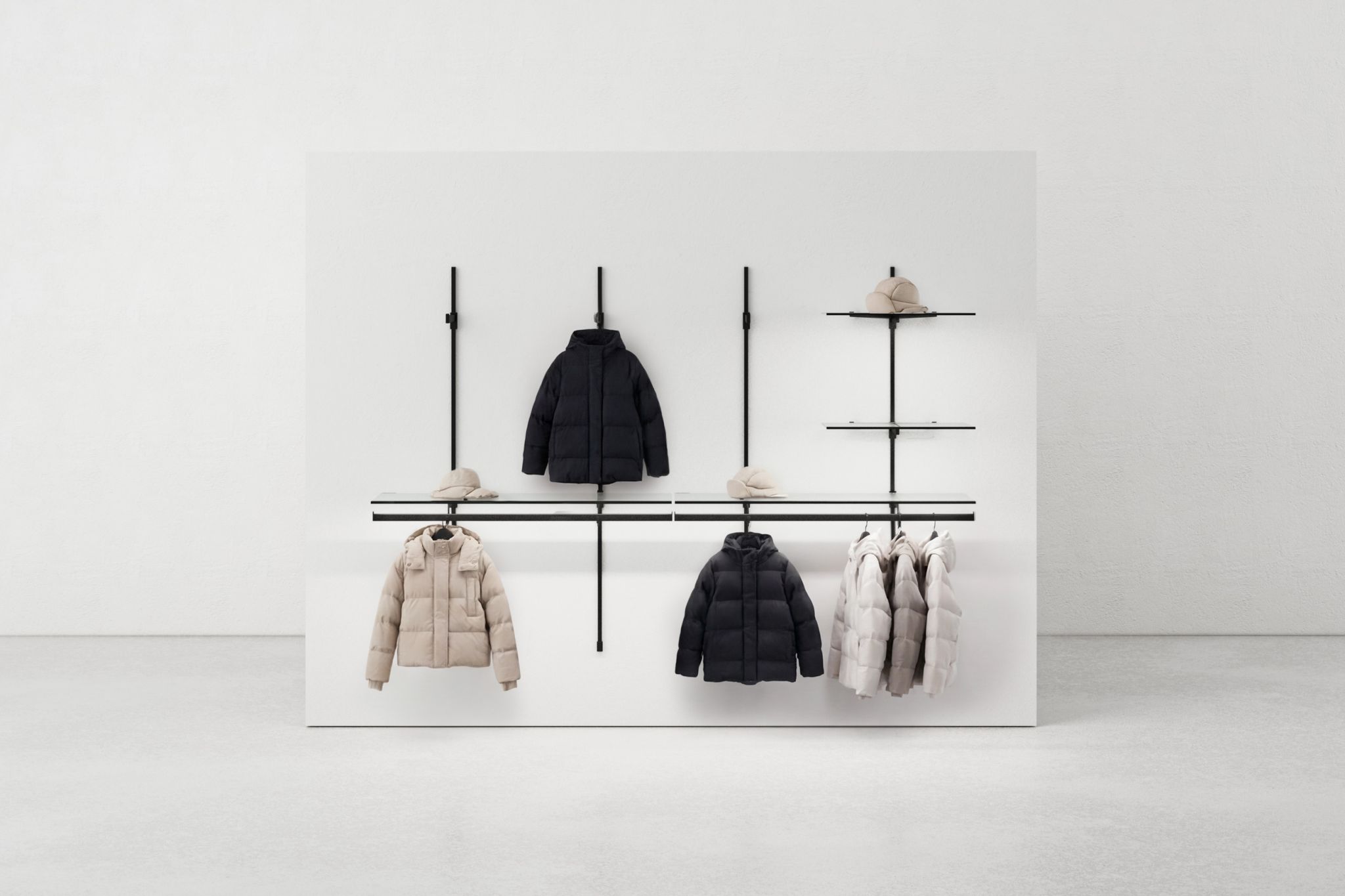
Spatio offers integrated electrification, lighting, and compatibility with a wide range of display fixtures.
-
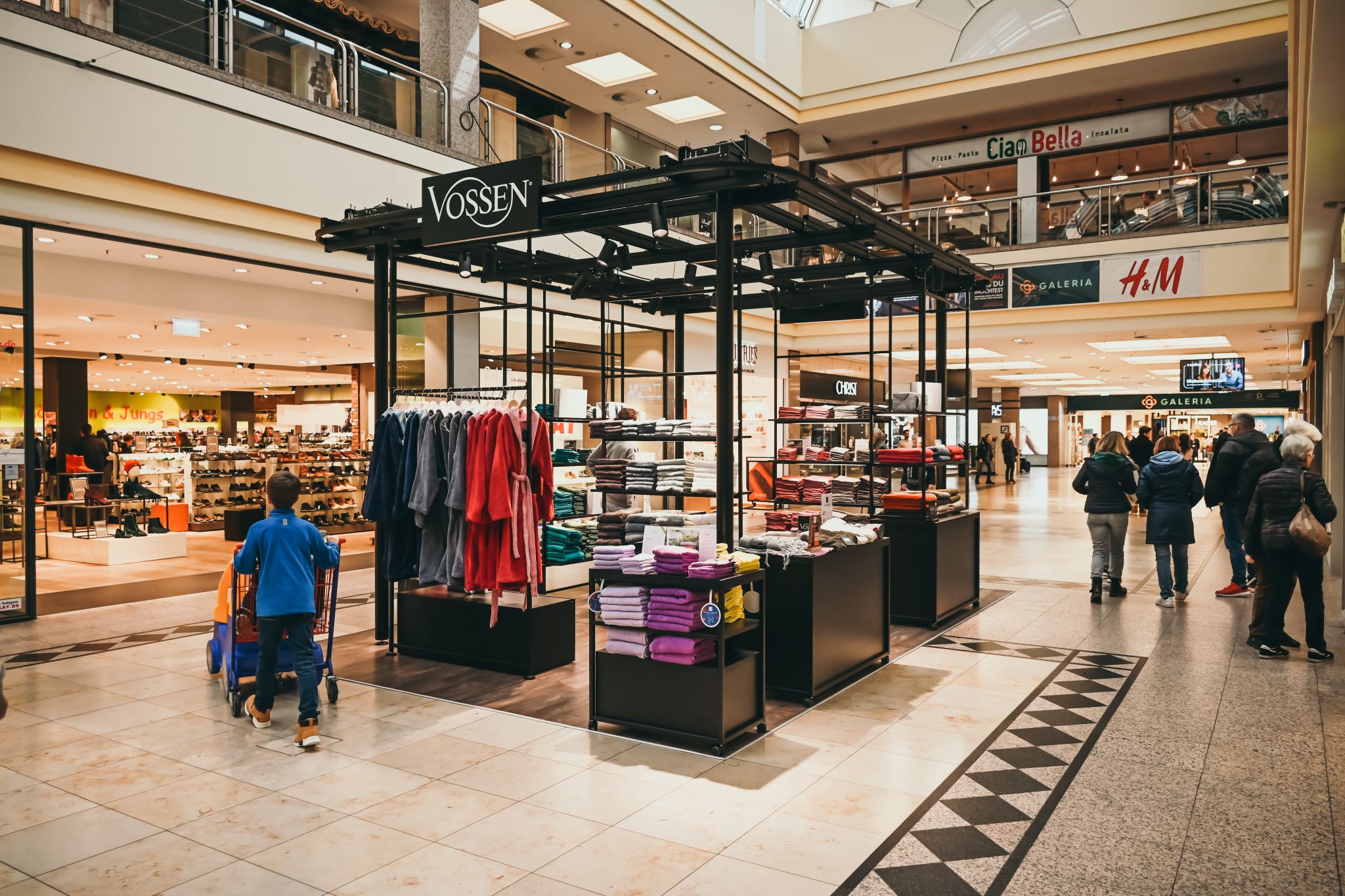
Presentation at the heart of the action: Spatio provides structure where spatial conditions are lacking.
-

Flexible, electrified product displays can be seamlessly integrated into the structure.